Silence is golden. Silence is peaceful. Silence can lead to profound insight and wisdom. It’s in silence that we can often hear God’s whisper calling us toward a decision or action. But much like a double-edged sword, silence can be an exacting type of cruelty that cuts clear through a person’s heart and soul—creating a gaping wound so wide that any meaningful healing requires deep and prolonged care.
I can’t quite remember the first time I experienced the harsh punishment of silence from someone I love. I know I was a young girl; a child. I may not remember the initial moment, but I am very familiar with the impact. Extended bouts of silence from some of my favorite people leave me feeling shame. Humiliation. Anxiety. Panic. Fear. Guilt. It’s in excruciating silence that I hear myself say, “I am bad.” “I am wrong.” “It’s my responsibility to break the silence—however possible and at all costs.”
Over the last decade I’ve worked to heal my spirit from the decades of slicing and dicing of silence. In working with a licensed therapist I’ve learned that silence, or the silent treatment as someone would describe, is a coping mechanism for some and a calculated way of inflicting harm for others.
Depending on the intent, silence is a form of abuse. Isn’t that something? A lack of words can say so much.
According to the Cleveland Clinic, research shows that our sympathetic nervous system reacts when we think that a social bond is under threat. The part of our brain responsible for processing pain — lights up. Simply put, being ignored or rejected hurts.
Whether that hurt is done on purpose is important, of course, but only to a point. Across the board, the silent treatment is a behavior that indicates poor communication, conflict resolution and emotional regulation skills.
Knowing that now lessens the hurt… to an extent.
I know now that all some of us can do when we’re hurt or afraid is shut down.
As a journalist I witnessed what silence can do to a family, to a community or to our neighbors. Choosing to remain silent creates space for domestic violence, a lack of accountability or distrust in people who are supposed to keep us safe. Think about the documentaries or news stories you’ve heard in which people say, “I should have said something.” “We knew this was going to happen, why didn’t anyone say anything?”
Silence can lead to real pain.
Personally, I’ve experienced the desperate attempt to cling to a word or a facial reaction as I tried—ever-so-cautiously— to tread through silence. Navigating those moments is like putting one step in front of the other in a mine field—not knowing if my next move will inflict even more pain on my precious heart.
In my younger years, I chose silence as a way to distance myself from others, because, quite frankly, I didn’t have the words to express my feelings or emotions. Shame can silence you, too.
That’s why, for me, in my latest experience of being iced out, I’ve had to give myself space. Space from the person. Space from the punishment. Space from my thoughts. It’s hard.
My mind can wander. My grandfather, as my dad shares, had a saying: Each mind is its own world. We may not be able to break the ice, but we can definitely chart our own thoughts.
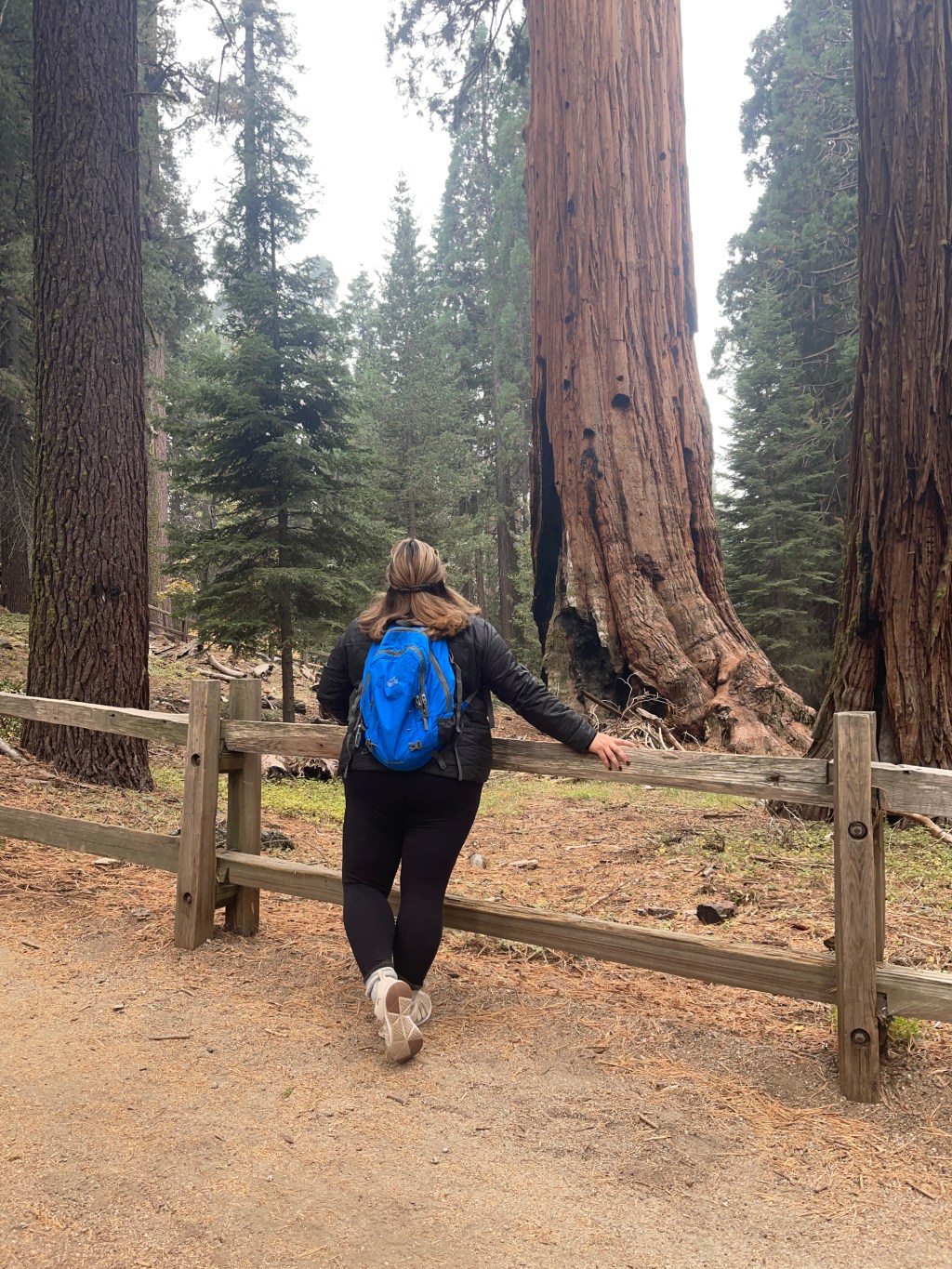
And it’s there, in my own silence that I listen for God.
You are not a bad person. You do not know what the other person is feeling or experiencing. Life is so precious and each day is a gift. You are going to be okay. You can move forward with grace and integrity. In spite of rejection and discomfort, you can be loving and kind.
Silence can lead to real revelations.
We can learn a lot about ourselves and each other in these moments. No words required. We can take stock of the tools, resources and support we have to regulate our emotions. We learn about humility and forgiveness, boundaries and self-worth. It’s through challenge that we can strengthen our faith and truly measure our integrity.
Silence can still be golden. It can still be peaceful. But it can also be the place where we find the wisdom to know when to welcome people in with open arms—and when to walk away so our hearts and souls have the chance to heal.
 Consider More
Leave a comment