How do you measure pain? How much can you tolerate? When is it good, and when it is just too much?
In April 2024, in a shameful urgency to rid my home of a few too many empty Amazon boxes, I rushed down the stairs of my home, lost my footing on the door frame and crashed down onto the unforgiving concrete porch.
If you’ve fallen, you might be familiar with the slow-motion dance done as you go from standing… to spilling. In that split-second—in an effort to avoid falling down my porch—I contorted my left foot under my body as the stack of cardboard attempted to soften the blow. It was a Wednesday morning. My partner was halfway around the world, my work day was set to begin in 30 minutes and there was not a soul in sight to swoop in for a rescue.
After a quick internal scan of my body and its parts, I summoned every ounce of strength built over the course of my 39 years and, like Rocky Balboa on those famed Philly steps, I got myself back up… sort of.
That’s the thing about pain. Sometimes it’s paralyzing—until it just can’t be.
I immediately phoned my partner. He was traversing through Europe at the time. While he did answer the call, there wasn’t much more he could do that console me with a few kind words before his next tour began. I breathed through the pain and did the only thing I knew how to do.
I went to work.
As the adrenaline wore off and the real pain settled in, I sobbed my way to the office—20 minutes of breathing through unbearable pain, quietly calling on God to get me safely to the parking lot.
Pain is real. But so is God.
And while I never set out to test Him much, God did place people in my path—friends who helped me that day, a doctor who diagnosed a sprained foot and the wisdom to rest for the next four weeks.
In those four weeks, I learned to live with the pain. It’s not as difficult as it sounds, especially when we consider that the world keeps going.
You see, whether it’s a sprain or heartache, grief or betrayal, dreams unrealized or unrequited love, I’m convinced far too many of us learn to live with pain.
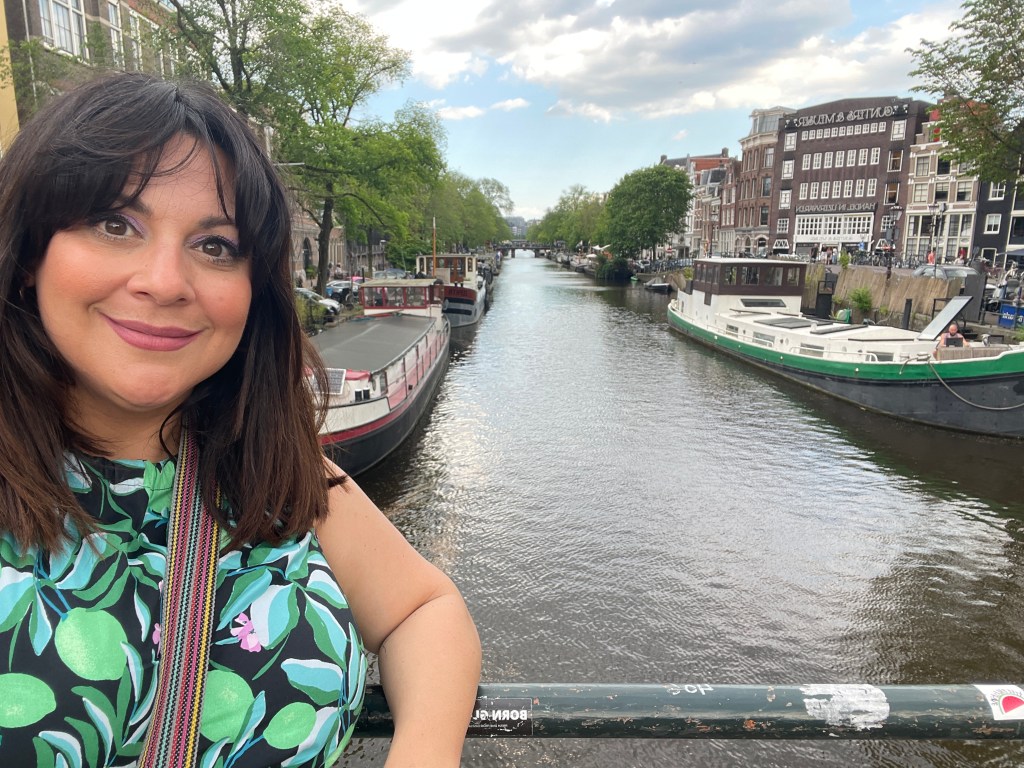
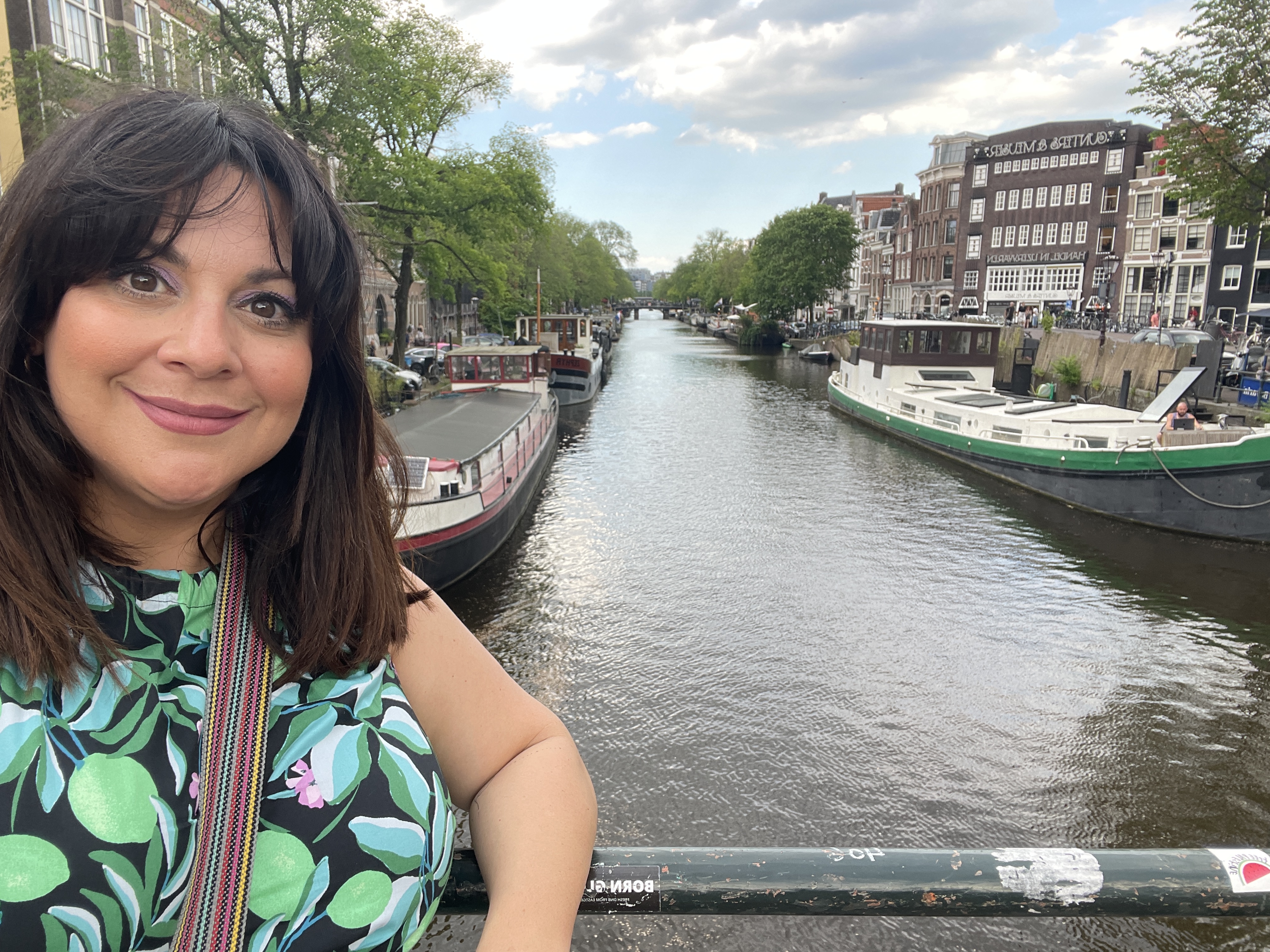
I followed doctor’s orders. I stayed off my feet for four weeks. Then I walked the equivalent of two marathons across Paris, London and Amsterdam.
The pain lingered.

I saw an orthopedic foot doctor, woke up early for physical therapy and paid close attention to every step I took.
Still, the pain was always there.
I tried my very best to explain what I was feeling to family and friends. I lovingly accepted their advice: ice, heat, stretch, rest, ankle braces, vitamins and massages. Still, unrelenting pain.
I could walk. I was walking miles. My doctor said I was fine to keep walking as we slowly took every possible image of my foot—X-ray, MRI, CT scan. My left foot became a celebrity, garnering all my attention and mesmerizing me with mystery and intrigue.
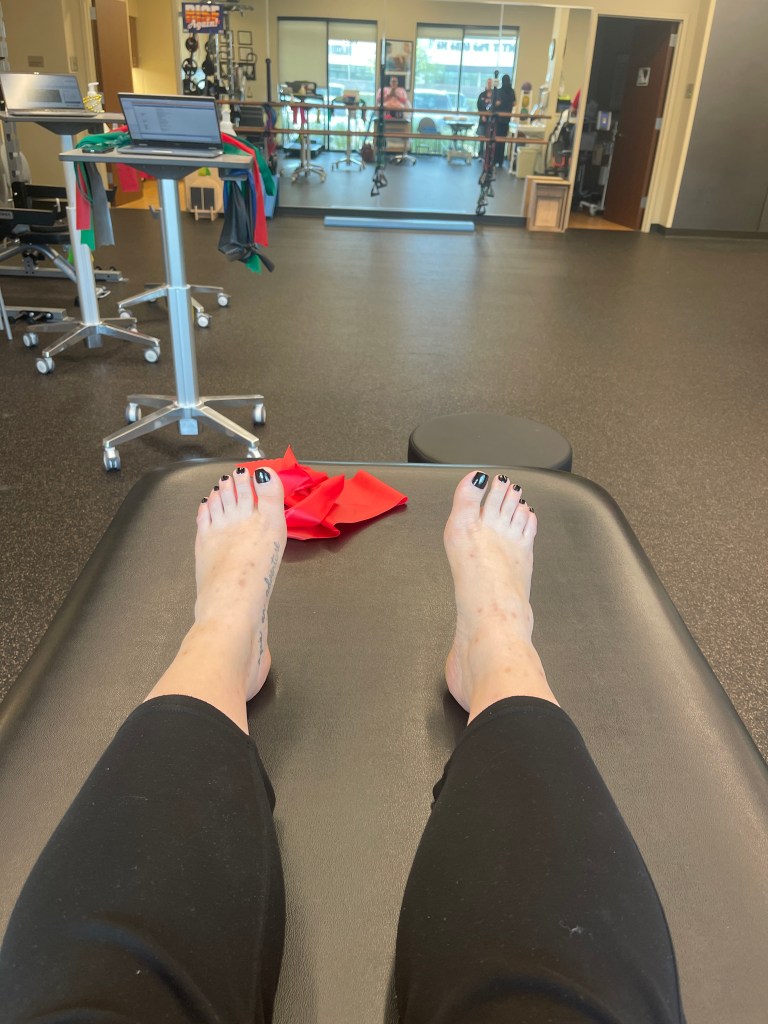
I felt guilty when I asked for a moment to sit and rest. I looked fine. My gait was fine. I seemed fine living with the pain. The shame that came from hiding Amazon purchases birthed a new kind of shame: People won’t believe me. They’ll think I’m lazy or lying.
How do you measure pain when life keeps moving? How do you quantify grief if you still make it to the grocery store? How do you explain a broken heart if you can still laugh at a joke?
By December, the pain was affecting my entire day. I’d cry myself to sleep. I’d avoid my favorite shoes. I’d take the elevator instead of the stairs. And then—like a Christmas miracle—after months of imaging, my doctor finally found it: a fractured heel bone. A three-millimeter crack was wrecking my world. It wasn’t healing. It wouldn’t heal. I had a choice—keep living with the pain or have surgery. Relief!
Wrong.
After living with the pain for the better part of a year, the fear of my first surgery set in. For weeks, I wondered if I could just keep pushing through. The thing about pain is—it can become comfortable.
Being angry can become comfortable. No need to engage—just stay mad. The pain of betrayal can create a false sense of safety in keeping your distance. The grief of losing a parent, partner or child can form a numbing bubble that turns days into months and months into years.
The thing about pain is—it can quickly evolve into fear.
But leave it to God to find a way in. During an anxiety-filled conversation with my mom, I heard a whisper from Him through her words. She gently urged me to do the surgery. You’re only 40, she said. God willing, you’ve got a big, long, beautiful life ahead of you—and you deserve to live it without pain. She also asked me to consider more. Consider how your body and mind are already overcompensating. Think about how much more you’ll endure over the decades if you don’t make a change now.
Pain begets pain.
Ain’t that the truth. Hurt people, hurt people. And in living with pain we experience so much more – in experiences lost, opportunities missed and connections never fully developed.
I got the surgery. The pain I once felt in my left foot is gone. I’m writing to you as I recover; my body slowly recalibrating from the debilitating hurt caused by a fracture the no bigger than a finger nail.
The size of the pain does not matter. Pain is pain.
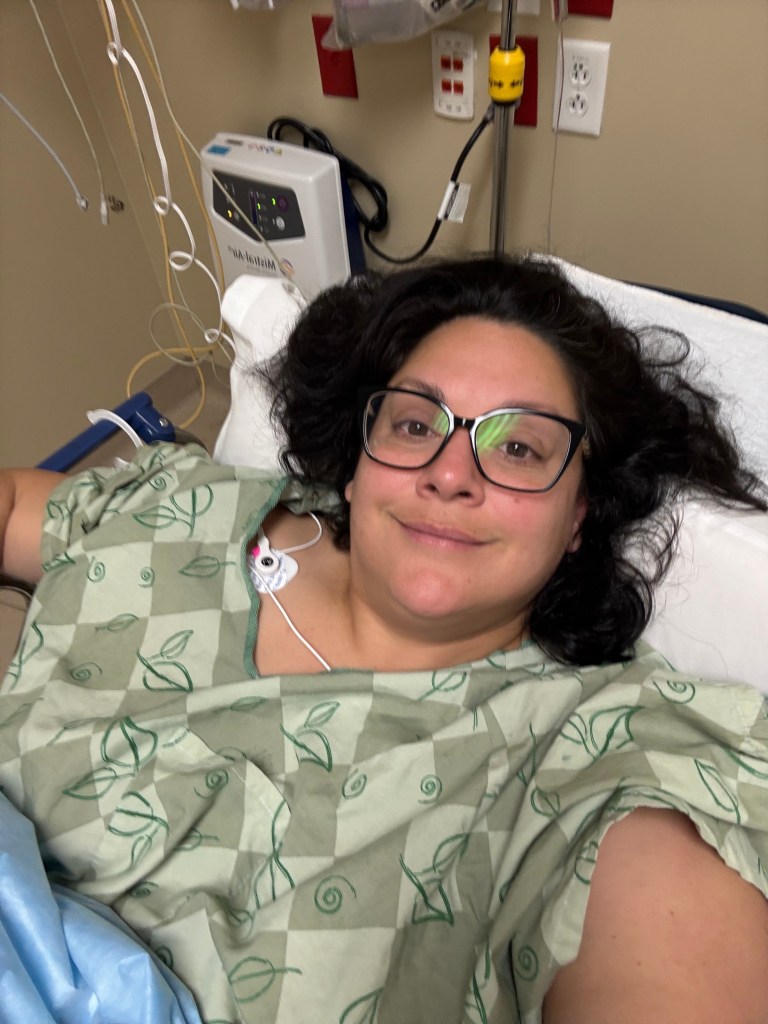
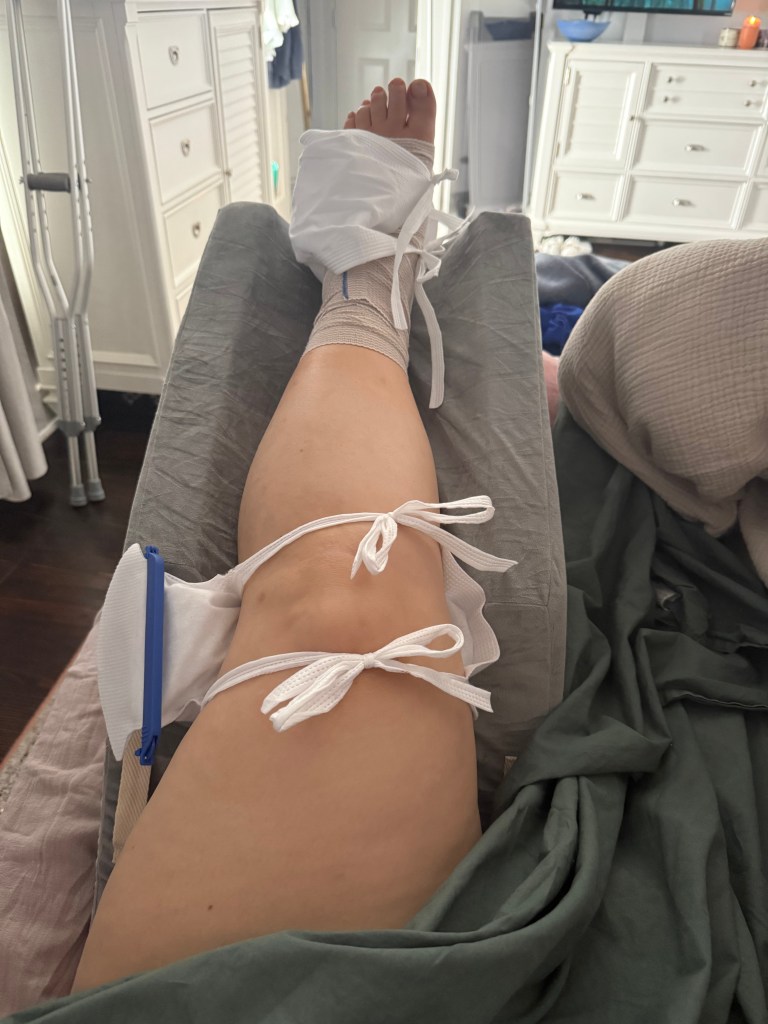
The healing process hasn’t been as easy as I hoped. I thought, Two weeks down and then back to work. God bless Americans—we don’t know how to rest. But my body needs time. My cells need to regenerate new layers of skin before my stitches are removed and the scar is revealed—a reminder of what once was.
Healing takes time.
Healing, takes time.
So, how do you measure pain? How much can you tolerate? When is it good, and when it is just too much?
Only you can answer that. Not your friends. Not your family. Your own life—your resilience, your trauma, your history—shapes your pain threshold.
But I’ll tell you this, if you have a chance to let go of some pain—through forgiveness, a first date, therapy or truth-telling—take it.
Recovery isn’t a race. Don’t let anyone convince you otherwise. It might be slow. Your cells might need time. But God willing, you’ve got a big, colorful, beautiful life ahead—which can be all the more exciting with just a little less pain.


 Consider More
Leave a reply to Myra Cancel reply