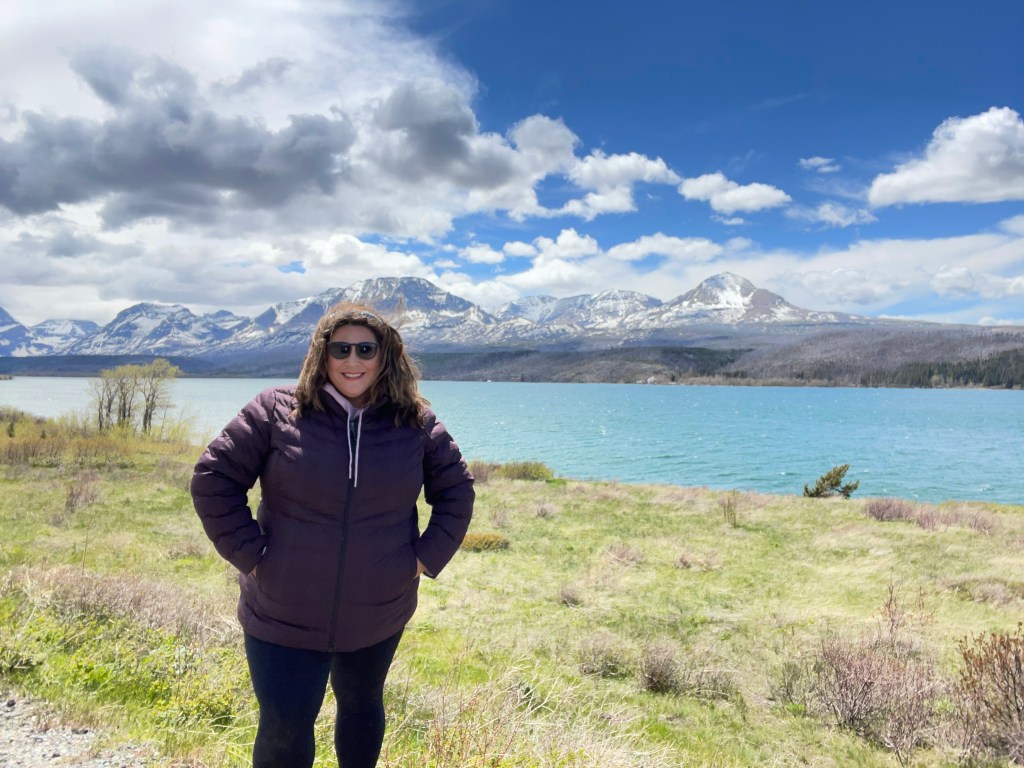
(Nearly two years removed from local TV news and I’m still unraveling my experiences and the lessons I learned along the way. I write this blog as an initial chapter into that exploration.)
For as long as I can remember, I wanted to be a television news reporter. One of my favorite questions to ask as a little girl was, “Why?” The combination of three letters creates a powerful catalyst for deep thought, accountability and connection. One word can elicit so much.
By the time I was in 5th grade, my parents allowed me to stay up late—past ABC’s T.G.I.F. programming block of Family Matters and Boy Meets World—for 20/20.
Hugh Downs and Barbara Walters were my first mentors, teaching me how to ask hard, uncomfortable questions rooted in curiosity and the quest for brutal honesty.
As a senior at Weslaco High School, I devoured the few minutes I’d get every day to wield total control of the morning’s announcements.
I’d slow my voice during the Pledge of Allegiance to buy my friends a few extra seconds to cram for Mr. Bishop’s calculus test. Over the loud speaker, I congratulated my friend Johnny on the birth of his son—a controversial move because, you know, teen pregnancy.
As head cheerleader, I began to play with inflection and emotion as my voice orchestrated the flow and mood of Friday morning pep rallies. It was there, in that high school gymnasium, that I realized the power of a microphone in my hand.
As a child, I knew I was going to be a television journalist—getting paid to ask questions and hold people accountable.
As an adult, I realized journalism was so much more than that.
A $10-a-week internship at Fox News in 2006 confirmed my childhood instincts: news was my path.
Three months in the Big Apple—living on dollar slices and green room leftovers—led me to my first on-air job in Odessa, Texas.
Three years of reporting in West Texas paved way for a job on the East Coast. I spent two years reporting in Richmond, Virginia before a serious case of feeling home sick sent me back to the Rio Grande Valley and eventually on to Houston.
Each city challenged me in a new way. But I consider my four years of reporting in the Rio Grande Valley as my master’s class in broadcast journalism. The stories waiting to be told along the border are like nothing else I’ve experienced.
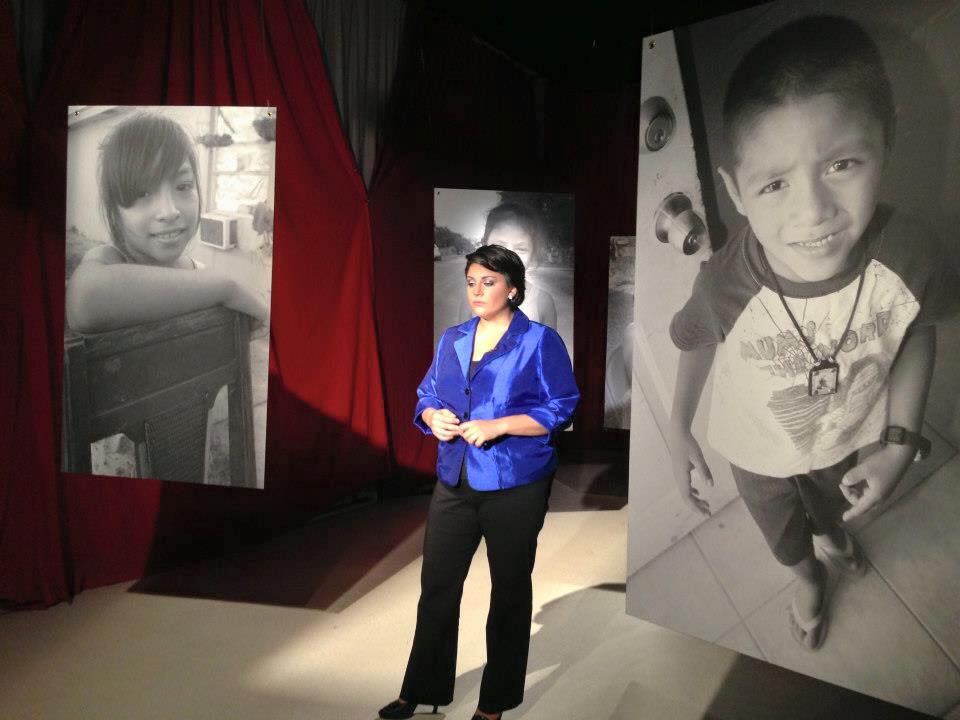
Uncovering corruption and abuse along the Texas-Mexico border gave me a deeper understanding of the human condition.
I’ll never forget injecting myself into an impoverished family’s life for 30 days as they navigated life in South Texas without electricity or a steady income. The focus of the long-form news report was to highlight what living in poverty is like along the border; to take people into a home unlike their own.
At the time, it was my toughest assignment. To truly observe and report without stepping in to help. Experiences like that—where I connected with people I once saw as different—showed me how deeply we are all the same.
Watching a pregnant single mother of six choose to use her government food stamps to buy a small cake at a grocery store was eye-opening. I asked, “why are you using your food stamps to buy a cake?”
It was the first day of a summer month. She explained that the cake, which was on sale for $12, would serve as the sole birthday cake for all six of her children that year. Which led me to ask myself a question, why should children be allowed to suffer?
Later that day, all six kids huddled around the cake as they sang “Happy Birthday” to each other in the natural light that beamed into their dirt-floor home through a broken window.
I still remember what it was like to watch those kids realize mom got them a cake. The best way I can explain it is the reaction of someone chosen to shoot a half-court shot during an NBA halftime. On the line is $1,000,000. The person takes the shot and makes it!
That uncontrollable joy, the kind that leaps out of your body and into someone else’s, is how those teeny children felt seeing that birthday cake!
My photographer and I watched and documented the moment from a corner of the room. Wow!
The delight and release of pressure that comes with kids feeling like kids is satisfying.
The realization that the family need to devour the treat before the roaches took their turn is sobering.
Then there was my Emmy Award-winning coverage of our Battle for the Border—a multi-year long series that focused on the complicated issues that come with a broken immigration system.
I’m proud to report that my local news team was reporting on issues along the Rio Grande long before national media arrived.
From walking a mile in the shoes of an undocumented immigrant, to standing under the shade of mesquite in an area known as “the rape tree” in Brooks County, Texas and watching politicians swoop in and out of the RGV making promises everyone knew they would not keep… reporting along the border, in my hometown, taught me that talk is cheap and even among one million Catholic faithful, hope can wane.
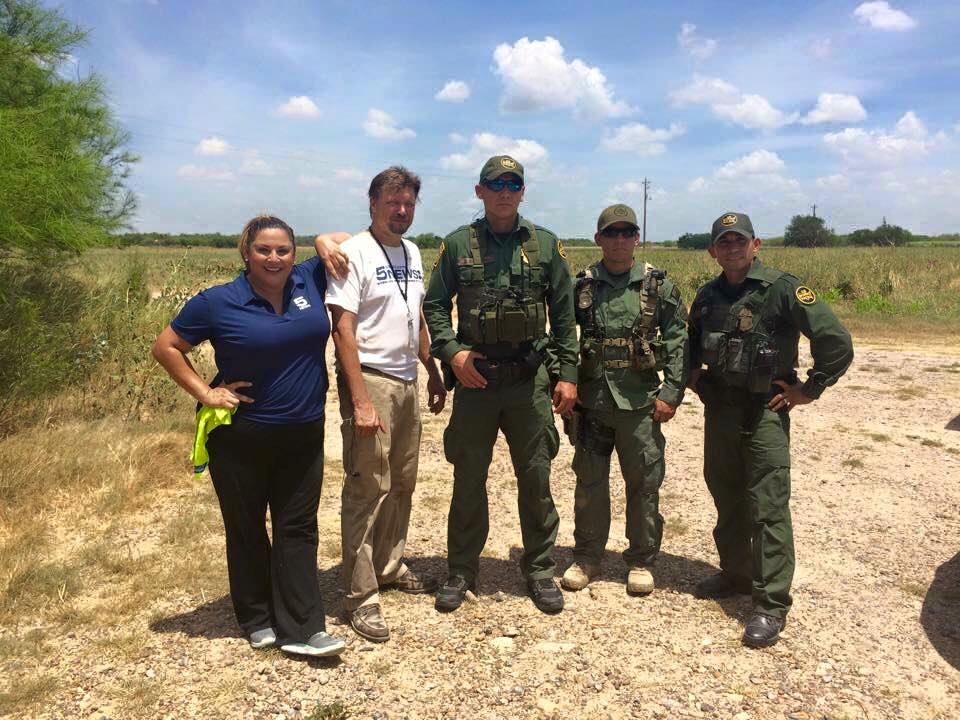
Reporting in the Rio Grande Valley opened my eyes to just how little it takes for human beings to make life-altering decisions. Cigarettes and $5 bills bought votes at the ballot box.
I met at 16-year old boy who, for $3,000, agreed to pick up people who had just illegally entered the United States. He said he took the money to help his family.
There was a guy who lied about being ambushed on the highway—thousands of dollars stolen. He made up the whole story because he didn’t want his wife to know he had spent their savings at a strip club.
Or the guy who had his friends fake a home invasion because he wife refused to let him go out and party. The sheriff wasn’t too happy about that.
My experience with people over the course of 16-years has shaped my outlook on life. The more people I meet, the more stories I share, more I want to ask, why.
All of us… we are all so fascinating. Working in TV news truly opened my mind.
That may sound odd, huh? News expanding opinions? You might think news is exclusively death and destruction. After all, there’s this industry cliche: if it bleeds, it leads.
But some of my favorite moments of my sweet 16-year-of-a-news-career are rooted in goodness.
Penny by penny, the Rio Grande Valley funded two elementary school playgrounds in Moore, Oklahoma after a deadly EF-5 tornado in 2013.
Snowy days in Richmond melted stoic adults into playful children.
Talking to women who attended the protests at the U.S. Capitol on January 6 helped me understand how so many Americans reached that boiling point.
Listening to a business owner explain why they chose to defy pandemic orders to keep their doors open, reminds me that everyone is just trying to survive the best way they know how.
My belief as a journalist eventually became my primary belief as a human being: I don’t have to agree, but I need to do everything I can to understand. Common ground is crucial.
Miracles I witnessed during my time reporting in Houston reminded me that God works within all of us.
The days after Hurricane Harvey. The road to the Astros winning the 2017 World Series. Families who found hope buried deep beneath devastation. A homeless painter with the voice of God. A little girl compelled to help hundreds of classmates with school supplies. Kindness is everywhere.
(Below is a link to a story about an unconventional duo defying expectations.)
The early months of the COVID-19 pandemic brought me to tears in the best way.
Neighbors helping neighbors.
Admiration for healthcare workers.
The Blue Angels flying across Houston’s clear blue sky.
The serenades from balconies or families taking part in social media dance challenges.
Sixteen years of collecting stories and meeting people opened my eyes and weighed on me. Eventually, the intense pressure of knowing so much became too heavy.
On May 24, 2022, at 11:33 a.m. a gunman entered Robb Elementary in Uvalde, Texas.
The developing news topped our afternoon newscasts in Houston.
Every good reporter knows you have to be ready, in case your tv station pivots from the breaking news. I don’t remember what story I worked on that day. I do remember standing in front of the news camera, with a bright light positioned on my face—microphone in hand—as I listened to the developing scene from Uvalde in my earpiece.
A colleague who was in the area for another story, was rerouted to Uvalde. She had just gotten on scene when a father approached her while she was reporting live on TV. He asked for help finding his little boy.
He saw a journalist and knew she could help.
My colleague directed the father to a staging area where, later that night, he’d learn his son had been shot and killed.
I’m not sure I’ll ever forget listening to that conversation while standing helplessly in front of a TV camera. I was a genuine spectator. I wasn’t part of the coverage. I couldn’t add anything to the reporting. I couldn’t relieve my colleague of the traumatic burden that comes with racing to the scene of a mass shooting.
I had to sit with the fact that there was nothing I could do to compartmentalize the pain that comes with the job.
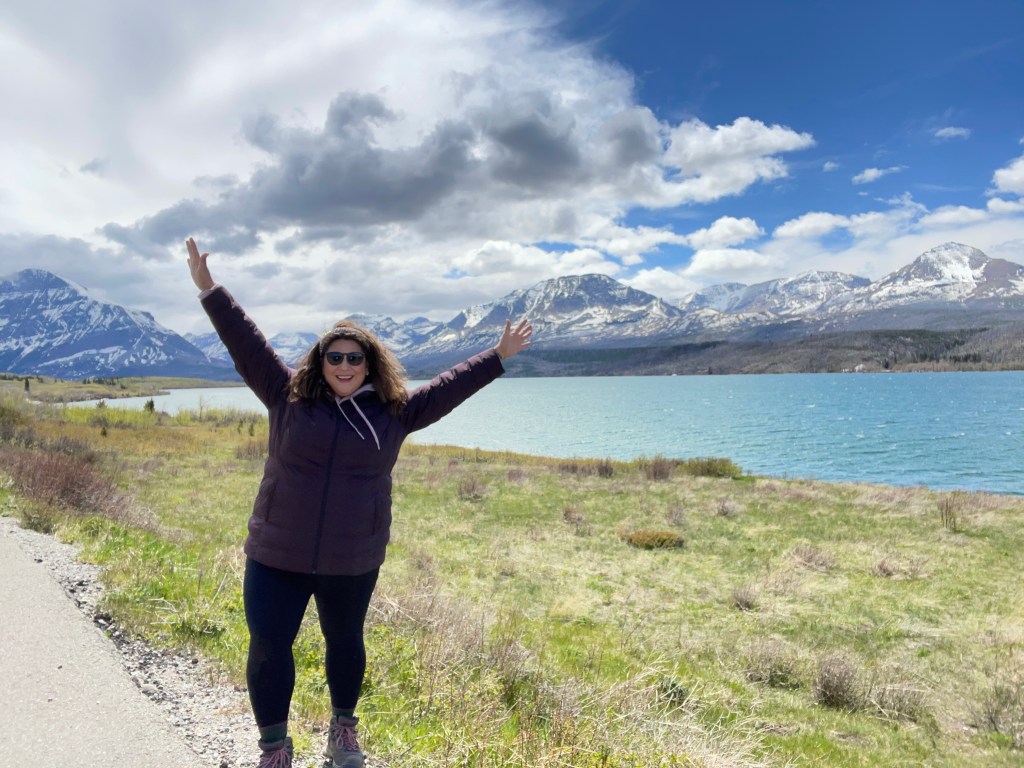
I sat with it in Montana.
I had pre-approved plans to take vacation. My time off began the day after Uvalde. For a split-second I grappled with canceling to help tell the stories of the 21 people killed.
For the first time in my career, I chose to write my own story.
You see, one day after the mass shooting at Robb Elementary, I turned 38. I’m not sure I qualified it as a celebration at the time.
It was May 25, 2022. With no cell service, God and I enjoyed a long conversation. The kind you can feel—the wind tussling your hair; the sun kissing your face. God talking to you from every direction.
On a mountain in Montana, He delivered a revelation.
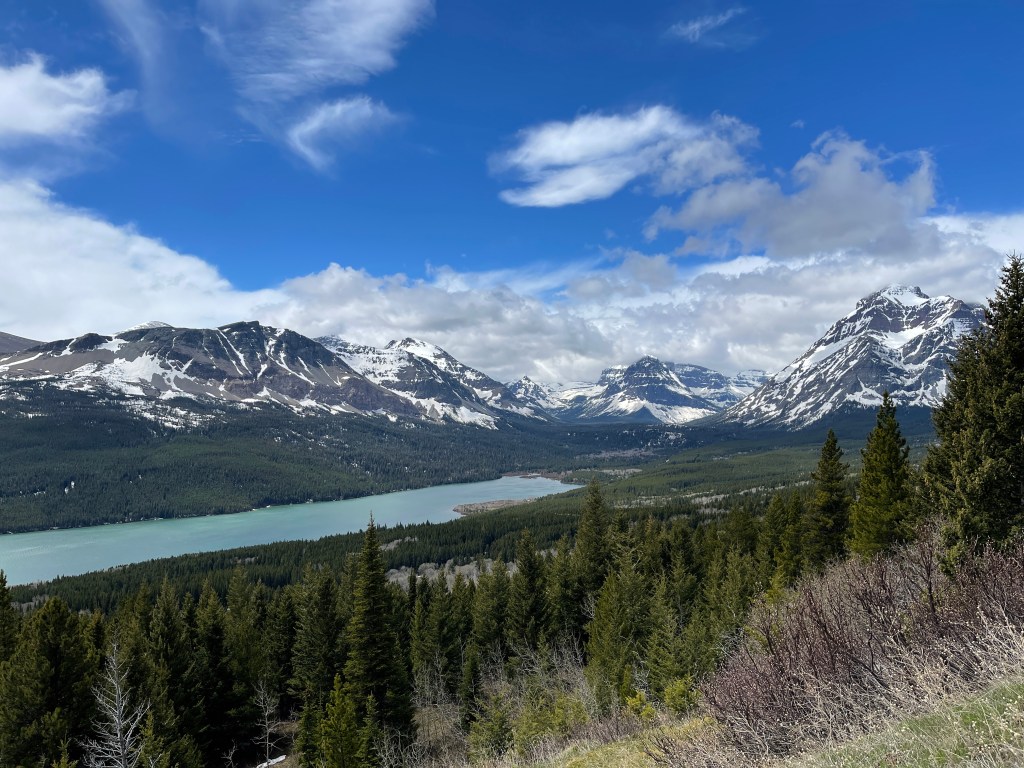
After I prayed for Uvalde, the children, the educators, the parents, the community, the reporters, the world watching the coverage in horror —I thanked God for my life.
We talked about how He made my childhood dream a reality. A true blessing. It’s not everyday an 8-year old in a small Texas town sets out on a 30-year journey to make good on their word.
I thanked God for getting me this far in my career and I confessed that I couldn’t go any farther, even with Him by my side.
It’s not an easy place to stand—the intersection you’d never think you’d meet. In one direction, what you believe is your life’s work, and in the other, the reality that the work you do may result in more damage than good.
In a classic convo with God, I prayed for help.
“Please God, give me a new dream. Show me a new path,” I whispered from the top of that mountain.
I hold that conversation with God on that ‘May day’ so close to my heart. My interpretation of the mountain view is now tattooed across my left forearm—a reminder of the direction I chose at that life-saving intersection.
A new job opportunity did in fact, fall right into my lap. And just like that, a new dream revealed itself.
After nearly two decades of holding space for the grief of so many, I realized I wanted to hold space for myself.
You see, for 16 years, I worked holidays and sacrificed time with my family and friends to gain experience and land exclusive stories and win awards. I missed weddings, anniversaries and birthdays; the formative years of my only nephew. I picked up and moved every couple of years. I made friends. Sold furniture. Ended friendships.
I paused my own life so I could narrate someone else’s.
“News doesn’t stop,” I’d say.
And then one day, it did.
I signed off from television for the last time on Wednesday, August 3, 2022, nearly 16 years to the day that I accepted my very first job—a reporter/anchor in Odessa for a humbling salary of $30,000.
Every now and again, a viewer from my past life meets me in the present. They’ll kindly gush that they miss my news reports, and I’ll politely admit that I miss news, too. I do.
I do miss the type of reporting that I used to do — the human-interest profiles, deep dives into data and investigations that sometimes took months to complete — I don’t miss what local TV asks of its journalists today.
Reporters these day gather news stories for traditional tv newscasts, streaming platforms and social media. Some have to do all of the work by themselves. Set up the story. Run the camera. Drive across Houston. Write the story. Edit it all together. Look presentable.
It’s not sustainable. And I’m not sure it’s appreciated.
Between “fake news” phrases and Facebook bots, I’m not sure we value local news the way my childhood self did in the 90s.
TVs are out. Phones are in.
Weather, traffic and sports are all available on apps.
Google alerts you to news you’re interested in.
The Nextdoor app tells you what’s literally happening outside your front door.
Eye-catching exclusive interviews are happening on podcasts.
Even local governments are cutting out the local news “middleman” and launching their own online newsrooms.
We no longer need a news station to give us the news.
Because of that, television stations are losing ad revenue.
TV is expensive. The internet is cheap. TV stations don’t have to pay for network affiliations or programming like soap operas or talk shows on their streaming platforms. But how do you get people to flip off Netflix and open your news app?
Whittle down your newsroom staff and throw all your funding at generating content.
And this is why I’m glad and sad I’ve moved on.
With newsroom budgets tightening, communities are losing experienced journalists. Experience comes at a price.
That’s why we continue to wish farewell to veteran reporters, producers and editors.
True investigative work requires time and curiosity—two things many journalists no longer have as they scramble to create content for TV, digital and social media within an 8-hour shift.
Weekly assignments that focus on tragedy and conflict can lead to burnout—for both the journalist and the audience.
At a certain point, no one wants to hear about death and dysfunction.
Ad revenue continues to decline.
What we get are local morning shows with copy/paste headlines; online articles generated by artificial intelligence and reporters who may not be experienced enough to ask why.
We should all want a strong, smart and solid local news team in our community. We should want to see reporters who’ve been there for decades. Experience matters.
Because whether it’s a miracle or crisis, in those crucial moments we’re going to need someone who will ask, why.
I wish I was smarter and stronger to have stayed the course; to have gone in the other direction at that pivotal intersection.
I’m also glad I’ve transitioned into a new career. My family and friends say I’m nicer. I’m no longer depressed. And I’ve seen more of the world and met even more people.
But I’m sad I’m out of television news.
Why can’t both things be true?

 Consider More
Leave a reply to Rudy Castillo Cancel reply